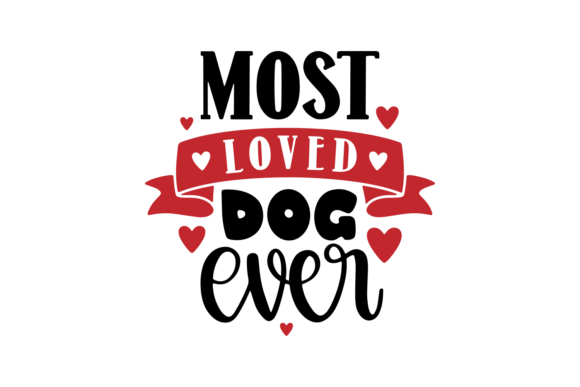
Most Loved Dog Ever
A Designer’s First Glance: Warm, Simple, and Instantly Relatable
When I opened Most Loved Dog Ever for the first time, I didn’t see just another dog-themed graphic—I saw a quiet moment of connection. The silhouette is soft-edged but confident, with gentle curves in the ears and a subtle heart shape integrated into the dog’s chest. It’s not overly detailed or cartoonish; it’s emotionally direct. That matters—especially when you’re stitching this onto a baby onesie for a new pet parent or embroidering it on a linen tea towel for a boutique gift set. This isn’t a design that shouts. It leans in, quietly saying, “Yes, your dog *is* the most loved.” That tone translates beautifully to handmade products where sincerity outweighs flash.
Where It Shines: Real Projects, Real Customers
I tested Most Loved Dog Ever across three real-world items: a heavyweight cotton tote bag, a midweight French terry sweatshirt, and a 100% cotton baby blanket. On the tote, it stitched cleanly at 4.5” wide using standard tear-away stabilizer—no puckering, no thread breaks. The satin stitch outline held crisp definition, and the fill stitch remained breathable without looking sparse. On the sweatshirt, I added lightweight cut-away stabilizer underneath and reduced top tension slightly; the result was plush but precise—ideal for custom apparel sold through Etsy or local craft fairs. And on the baby blanket? It read clearly even at 3.75”, making it viable for nursery decor or personalized holiday embroidery where scale and softness both matter.
This design naturally fits embroidered patches, aprons for pet-friendly bakeries, pillow covers for vet clinics, and even small-batch cap embroidery—though I’d recommend keeping it front-and-center on structured caps (not curved back panels) for best legibility. Its balanced proportions and minimal internal detail mean it avoids the “muddy” look that plagues many dog motifs when scaled down or stitched on textured fabrics.
Where to Pause—and Why
- Small hoop sizes: Below 3”, the heart detail starts to lose definition. If you’re working with a 3” x 3” hoop, test stitch first—or simplify the heart manually in your embroidery software.
- Stretchy fabric: T-shirts and ribbed knits need extra stabilization. Use a combination of cut-away + topping (like water-soluble film) to keep the satin stitch smooth and prevent distortion.
- Dark or heavily textured fabric: The clean lines hold up well, but avoid dense black terry cloth unless you increase stitch density slightly or add a white underlay. Always check contrast in a printable mockup before production.
- Curved surfaces: Caps and mugs (if used for heat-transfer mockups) require careful digitizing adjustments—not built into the SVG file itself. You’ll need to adapt Most Loved Dog Ever for those uses separately.
What It Adds to Your Craft Business—Beyond Stitching
As an embroidery designer who also consults with Etsy sellers and small shop owners, I pay close attention to how a design affects perceived value and buyer trust. Most Loved Dog Ever lands as thoughtful—not generic. That makes it easier to price higher than clip-art alternatives, especially when bundled with matching packaging or paired with handwritten care tags (“Stitched with love for your favorite four-legged friend”). Customers recognize intentionality. They feel seen. That emotional resonance lifts everything: your handmade product presentation, your brand consistency, even how your Instagram stories perform.
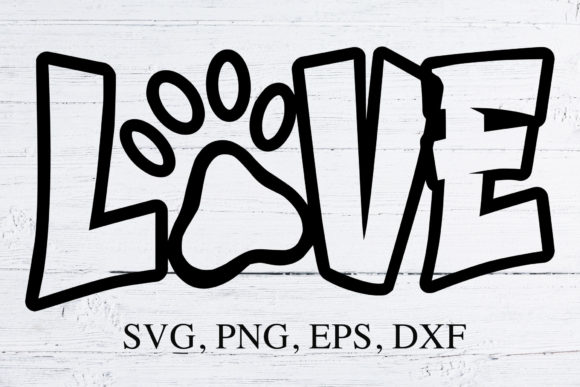
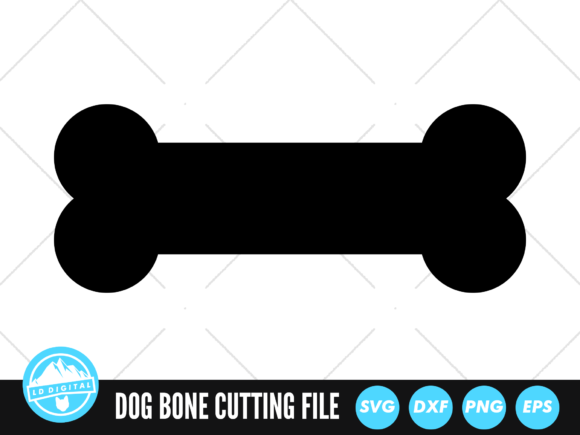
It also works hard across categories. A single purchase can fuel multiple SKUs: embroidered patches sold individually, custom sweatshirts listed as made-to-order, baby blankets marketed for “first pet” gifting, or holiday kitchen towels tagged for “dog lovers who bake.” For digital product sellers, it’s a strong candidate for a themed bundle—say, “Pet Parent Essentials”—paired with coordinating paw prints or bone motifs.
Practical Notes Every Embroidery Designer Should Keep Handy
- Always test on scrap fabric first—especially if you’re using a new stabilizer combo or fabric blend.
- Review stitch density before scaling. Too dense = stiff fabric; too light = poor coverage on dark backgrounds.
- Confirm hoop size compatibility with your machine’s largest hoop. The original SVG doesn’t specify dimensions—so measure the bounding box in your editing software before finalizing placement.
- Inspect small details like the heart contour and ear tips. These are the first areas to blur if stitch count is low or tension is off.
- Test in black and white mockups to evaluate contrast and visual weight across light and dark garments.
- Use proper stabilizer—tear-away for stable wovens, cut-away for knits, and fusible + topping for delicate or sheer fabrics.
- Verify licensing before selling finished items or reselling the digital embroidery file. Since Most Loved Dog Ever is listed as an SVG cut file compatible with Cricut, Silhouette, and others, confirm whether commercial use is included—don’t assume.
Final Thought: A Design That Earns Its Place
Most Loved Dog Ever isn’t flashy—but then again, neither is the quiet pride in a well-made embroidered tote bag handed to a friend whose dog just passed. It’s the kind of design that builds loyalty, not just likes. It supports craft business goals without demanding excessive digitizing labor. It reads clearly on screen and in person. And most importantly, it holds up—both in the hoop and in the heart. Whether you’re stitching for joy, for clients, or for sale, this one earns its spot in your active design assets. Just remember: know your fabric, respect your stabilizer, and always stitch with the end user in mind.