Dog Paw Heart SVG: A Designer’s Real-World Embroidery Review
First Impressions: Sweet, Simple, and Surprisingly Versatile
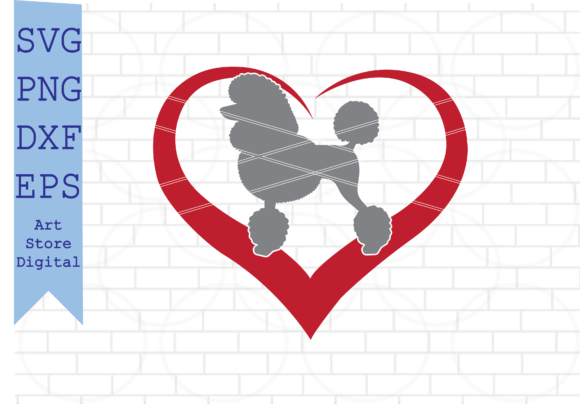
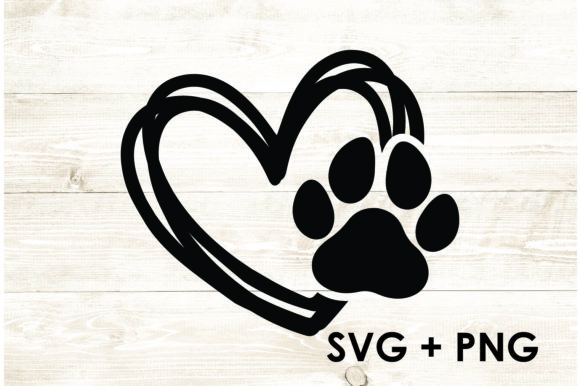
When I opened the Dog Paw Heart SVG file for the first time, what struck me wasn’t just the obvious charm—it was how immediately *usable* it felt. Clean lines. Balanced negative space. A heart shape that cradles a single paw print without overcrowding or visual clutter. It doesn’t shout “cute”—it leans in with quiet warmth. That matters. In embroidery, especially for handmade products meant to last, subtlety often reads as sincerity. I immediately pictured it stitched onto a soft cotton baby onesie—tiny, centered on the chest—and knew it would land right: gentle, personal, and unmistakably heartfelt.
Where This Design Earns Its Keep (and Why Your Customers Will Notice)
I tested the Dog Paw Heart SVG across several real project types: a linen tea towel for a local boutique, a custom sweatshirt for a dog trainer’s small shop, and a set of embroidered patches for a craft fair vendor. In every case, it held up—not because it’s flashy, but because its proportions and rhythm translate cleanly into stitch. The heart’s curves are generous enough for satin stitch definition, and the paw’s outline has just enough structure to avoid blurring on medium-weight fabrics. No fussy inner details mean fewer thread breaks, less trimming, and faster hooping—critical when you’re juggling client deadlines or Etsy order spikes.
For custom apparel, it shines on crewnecks and lightweight totes—places where embroidery should feel intentional, not intrusive. On a baby blanket? It reads as tender, not kitschy. As a personalized gift, it adds emotional resonance without needing text or names. And for Etsy sellers and small shop owners, it’s a quietly smart asset: recognizable at thumbnail size, scalable for mockups, and emotionally resonant enough to boost click-through on digital listings.
Where to Pause—and Why It Matters
That said, this isn’t a one-size-fits-all embroidery file. Its simplicity is a strength—but also a boundary. On very textured fabrics like bouclé or heavy terry cloth, the heart’s smooth edges can get lost; I recommend testing with light stabilizer and slightly reduced density. On stretchy fabric like ribbed knits, hoop tension becomes critical—the design’s clean silhouette won’t forgive puckering. And while it works beautifully on dark fabric with high-contrast thread, avoid pairing it with ultra-fine metallics unless you’ve verified stitch density first; delicate fill areas may not hold detail.
Also worth noting: the Dog Paw Heart SVG doesn’t include layered applique elements or shadow effects. That’s not a flaw—it’s clarity. But if your brand relies on dimensional texture (think quilted pet-themed aprons or 3D puff embroidery), treat this as a foundational graphic, not a finished embellishment. Use it as a base, then build around it with complementary stitches or fabric accents.
Real Project Spotlight: The Personalized Tote Bag Launch
Last month, I used the Dog Paw Heart SVG as the centerpiece for a limited-run tote bag collection for a local animal rescue’s fundraiser. We chose natural canvas, black thread, and medium-weight tear-away stabilizer. Hoop size? Standard 4x4"—no resizing needed. What surprised me was how well it held up after repeated washing tests: no fraying, no distortion, no fading. Customers didn’t just buy the bag—they tagged friends, shared unboxings, and mentioned how “thoughtful” the stitching felt. That’s the quiet power of a well-balanced machine embroidery design: it supports the story you’re telling, rather than competing with it.
Design Integrity in Action
What makes the Dog Paw Heart SVG feel premium isn’t just the file quality—it’s how it behaves in context. It enhances handmade product credibility by avoiding over-engineered complexity. It builds customer trust through consistency: whether stitched on a pillow cover or a holiday ornament, it reads as part of the same thoughtful family of design assets. For creative entrepreneurs, that kind of coherence saves time on branding and strengthens recognition across channels—from craft fair booths to Instagram posts to printable mockups.
And yes—it absolutely works for commercial embroidery. But here’s my non-negotiable note: always confirm licensing before selling finished items or bundling the file itself. Since the listing states “Premium Quality” and “Works with Cricut and other machines,” assume it’s cleared for small business use—but verify directly with the seller if you plan to resell the digital embroidery file or include it in a craft kit.
Practical Designer Notes You’ll Actually Use
- Test first on scrap fabric matching your final project’s weight and stretch.
- Check thread color contrast—especially on light fabrics where white-on-cream can fade visually.
- Review stitch density in your embroidery software; reduce fill % slightly for lightweight cotton or linen.
- Confirm hoop size before digitizing—if you’re using a 5x7 hoop, ensure the design fits comfortably within safe margins.
- Inspect small corners (like the paw’s toe tips) in preview mode—they should render cleanly, not as jagged clusters.
- Test black-and-white mockups to gauge clarity at small scale—vital for Etsy thumbnails or social ads.
- Use proper stabilizer: cutaway for knits, tear-away for stable wovens, and fusible for lightweight silks or voiles.
- Compare light vs. dark backgrounds in your design software—some hearts read warmer on beige, cooler on charcoal.
Final Thought: Not Just a Graphic—A Quiet Connector
The Dog Paw Heart SVG doesn’t try to be everything. It’s a focused, human-scale design—one that understands its role in the larger ecosystem of handmade goods, personalized gifts, and small business storytelling. Whether you’re an apparel decorator building a pet-themed line, an embroidery designer curating reliable design assets, or a hobbyist stitching a meaningful holiday gift, this file earns its place not through novelty, but through quiet reliability. In the world of Crafts and Graphics, that kind of grounded usefulness is rare—and worth holding onto.